Luxury scent is no longer exclusive to premium car manufacturers. Today, luxury car fragrance has become a powerful product differentiation strategy for wholesalers, distributors, and private label brands.
Consumers increasingly associate premium scent with lifestyle quality, comfort, and brand value. As a result, high-end car air fresheners are becoming one of the fastest-growing segments in the automotive accessories market.
For B2B buyers, offering a luxury-smelling car air freshener can help:
- Increase perceived product value
- Improve customer loyalty
- Strengthen brand identity
- Achieve higher retail pricing
- Expand into premium product segments
This guide explains how luxury car fragrance is developed, which scent profiles are considered premium, and how importers, distributors, and brand owners can create a competitive private label product line.
1. What Makes a Car Smell “Luxury”?
Luxury fragrance is not simply a strong scent. Premium brands focus on balanced, layered, and long-lasting fragrance composition that creates a refined atmosphere inside the vehicle.
High-end car perfumes typically follow the same structure used in fine fragrance design.
Fragrance Pyramid Structure
Luxury scent usually contains three layers:
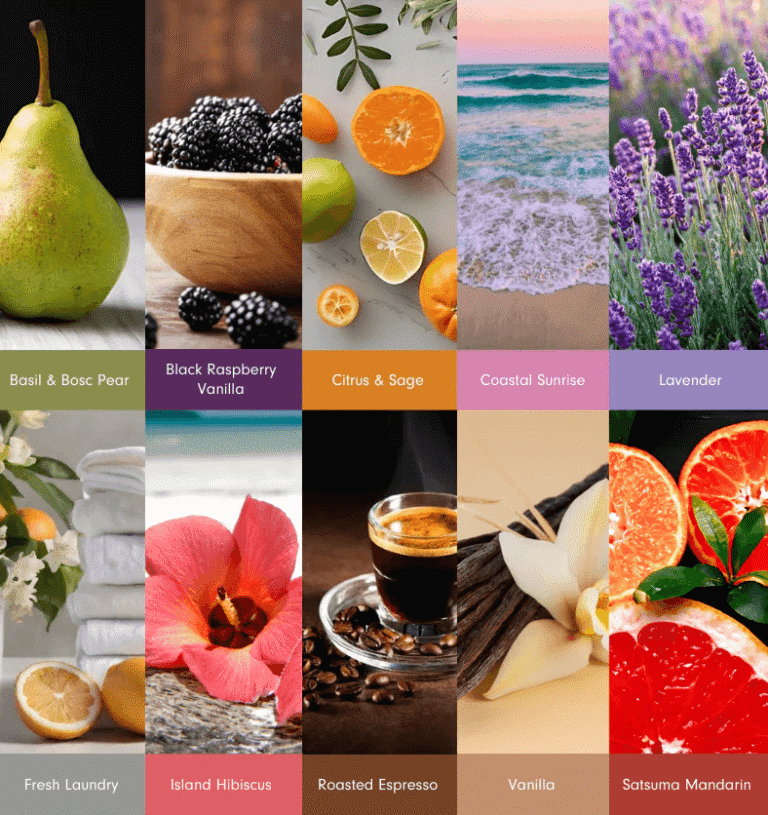
Top Notes (First Impression)
Light and fresh scents that create the initial sensory impact:
- Bergamot
- Citrus
- Green tea
- Fresh air accord
- Aldehydes
These notes provide a clean and modern opening.
Middle Notes (Core Identity)
The heart of the fragrance that defines the main character:
- Jasmine
- Lavender
- Rose
- Marine accord
- Soft florals
These notes add elegance and comfort.
Base Notes (Long-Lasting Luxury Feel)
Base notes create depth and long-term perception of quality:
- Sandalwood
- Amber
- Vanilla
- Musk
- Leather accord
- Tonka bean
These ingredients are strongly associated with premium lifestyle brands.
2. Most Popular Luxury Car Fragrance Profiles
B2B buyers often select scent families already associated with premium positioning.
Below are the most commercially successful fragrance categories in the global market.
2.1 Woody Fragrance
Perception: warm, elegant, premium
Common notes:
- Sandalwood
- Cedarwood
- Vetiver
- Patchouli
Best for:
- Premium brands
- Male-oriented collections
- European markets
2.2 Leather Fragrance
Perception: luxury car interior feeling
Common notes:
- Leather accord
- Amber
- Musk
- Woody notes
Often used in:
- Luxury car showrooms
- Automotive detailing brands
2.3 Fresh Clean Fragrance
Perception: new car smell
Common notes:
- Aldehydes
- Citrus
- Light florals
- Powdery musk
Popular among:
- Mass market consumers
- Car rental companies
- Retail chains
2.4 Amber Vanilla Fragrance
Perception: rich, warm, high-end
Common notes:
- Vanilla
- Tonka bean
- Amber resin
- Soft spice
Often used in:
- Premium car perfume lines
- Gift sets
2.5 Ocean / Marine Fragrance
Perception: modern, clean, refreshing
Common notes:
- Marine accord
- Mineral notes
- Citrus
- Light musk
Popular in:
- European markets
- Lifestyle brands
3. Best Product Types for Premium Car Fragrance
Product format influences both fragrance performance and brand positioning.
Choosing the right format is essential when developing a private label car air freshener line.
Vent Clip Air Freshener
Advantages:
- Continuous fragrance diffusion
- Popular in premium segment
- Easy to use
- Compact packaging
Best for:
- OEM programs
- Retail distribution
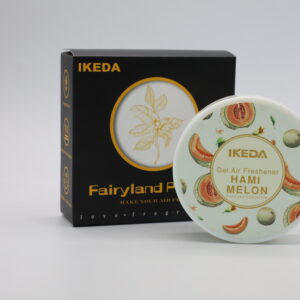
Gel Car Air Freshener
Advantages:
- Long-lasting fragrance (30–60 days)
- Stable scent performance
- Cost-effective for bulk orders
Best for:
- wholesalers
- supermarkets
- auto accessory distributors
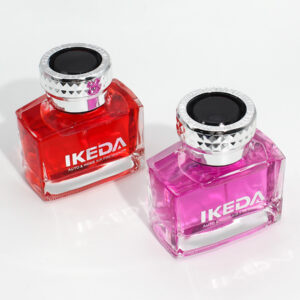
Car Perfume Diffuser (Hanging or Bottle Type)
Advantages:
- High-end appearance
- Custom bottle design
- Strong brand differentiation
Best for:
- premium private label brands
- gift market
- boutique retailers
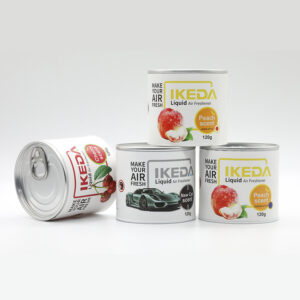
Fiber Can Air Freshener
Advantages:
- modern packaging style
- consistent fragrance release
- strong shelf appeal
Best for:
- lifestyle brands
- chain retailers
- Amazon sellers
4. How to Create a Luxury Car Air Freshener Product Line (B2B Strategy)
Step 1: Define Target Market
Different customer segments require different scent positioning.
Examples:
- premium car accessories brands
- car dealerships
- automotive detailing companies
- gift brands
- lifestyle brands
- e-commerce private label sellers
Understanding end users helps determine fragrance strength, packaging style, and price positioning.
Step 2: Choose Fragrance Direction
Common premium positioning strategies include:
- woody luxury collection
- designer inspired fragrance line
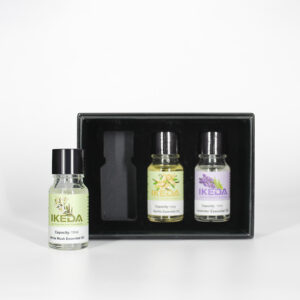
- essential oil car diffuser series
- minimalist luxury scent collection
- masculine premium fragrance series
- modern clean scent collection
Consistent fragrance identity helps build brand recognition.
Step 3: Design Premium Packaging
Packaging strongly affects perceived value.
Common luxury packaging elements:
- matte finish bottles
- minimalist label design
- neutral color palette
- metallic logo printing
- glass diffuser bottles
- magnetic gift boxes
- embossed branding
Premium packaging improves shelf impact and online conversion rates.
Step 4: Ensure Long Lasting Performance
Long-lasting fragrance is one of the most important factors for repeat purchase.
Most B2B buyers prefer:
30–60 day fragrance duration
Benefits:
- improves customer satisfaction
- reduces product complaints
- increases repurchase rate
- enhances brand reputation
Step 5: Work with Experienced OEM Manufacturer
Reliable OEM suppliers should provide:
- fragrance development capability
- stable bulk production quality
- low MOQ support
- packaging customization
- global export experience
- regulatory compliance support
Experienced manufacturers can shorten development time and reduce product risk.
5. Why Luxury Car Fragrance is a Growing Market Opportunity
Global demand for premium car air fresheners continues to grow due to several trends:
- increasing car ownership worldwide
- consumer preference for premium lifestyle products
- growth of private label brands
- expansion of e-commerce channels
- rising demand for car interior personalization
Premium fragrance products typically offer:
higher profit margins compared to standard air fresheners
making them attractive for distributors and brand owners.
6. FAQ for B2B Buyers
What scent smells most luxurious?
Woody, leather, amber, and musk fragrance profiles are widely considered premium by consumers.
How long should luxury car fragrance last?
Most distributors prefer at least 30 days fragrance duration.
High-end product lines typically offer 45–60 days performance.
Can I create custom fragrance for my brand?
Yes. Professional OEM manufacturers can develop exclusive fragrance formulas based on brand positioning.
What is typical MOQ for private label car air freshener?
MOQ depends on:
- packaging type
- bottle design
- fragrance formula
- customization level
Many suppliers offer flexible MOQ options for new brands.
7. Conclusion
Developing a luxury car fragrance product line is an effective strategy to:
differentiate your brand
increase product value perception
enter premium market segments
improve customer loyalty
increase profit margins
By selecting the right fragrance profile, premium packaging design, and reliable OEM partner, B2B buyers can successfully launch competitive private label car air freshener products.