Introduction: Why OEM/ODM Is More Than Just Customization
OEM/ODM car air fresheners are no longer just about putting a logo on existing products. For importers, distributors, and private-label brands, choosing the right manufacturing partner directly affects product quality, regulatory compliance, delivery timelines, and long-term brand credibility.
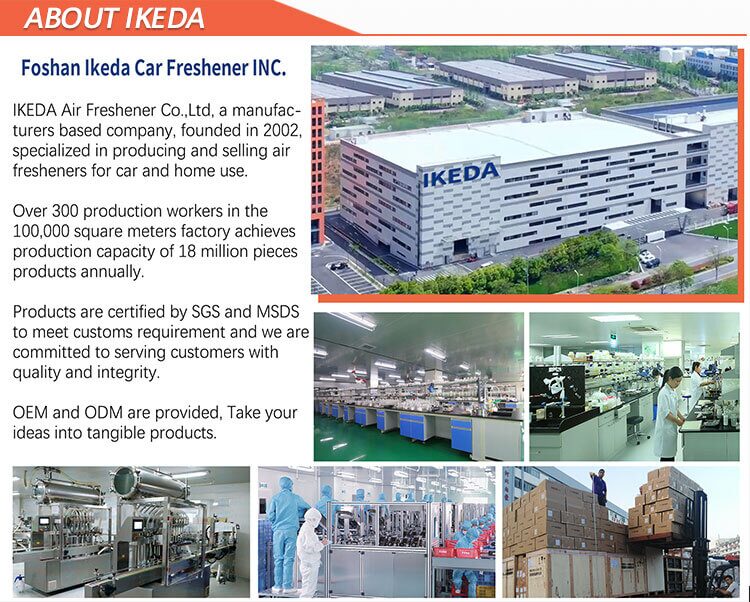
Over the years, we’ve worked with buyers from Europe, North America, the Middle East, and Southeast Asia. Many of them came to us after facing common sourcing challenges—unstable fragrance performance, unclear MOQ rules, delayed production, or suppliers who disappeared once an order was placed.
This article explains what global buyers should realistically expect from a professional OEM/ODM car air freshener manufacturer—and how to evaluate whether a factory is suitable for long-term cooperation, not just a one-off order.
Understanding OEM vs. ODM in Car Air Freshener Manufacturing
Before entering any discussion, buyers must clearly understand the difference between OEM and ODM.
- OEM (Original Equipment Manufacturing) means the product is made according to your specifications—your fragrance profile, packaging, branding, and market requirements.
- ODM (Original Design Manufacturing) involves selecting from a manufacturer’s existing product structures and designs, then customizing branding and details.
In practice, many buyers adopt a hybrid approach: starting with ODM to test the market quickly, then moving into full OEM once sales volume stabilizes.
A reliable manufacturer should guide you on which model fits your business stage, budget, and market strategy—rather than pushing unnecessary customization from day one.
What Product Categories Can Be Customized Under OEM/ODM?
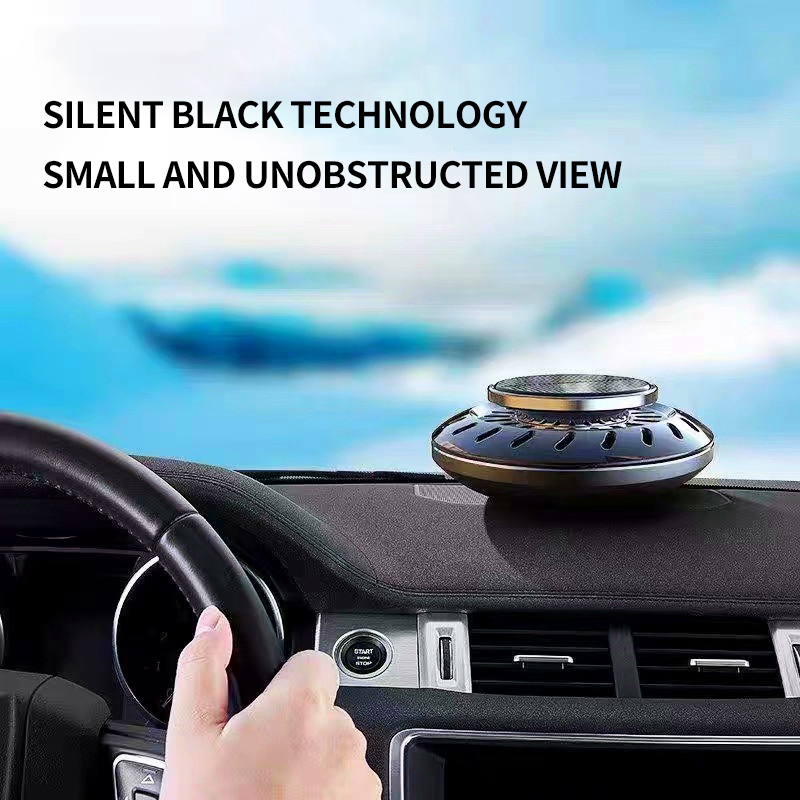
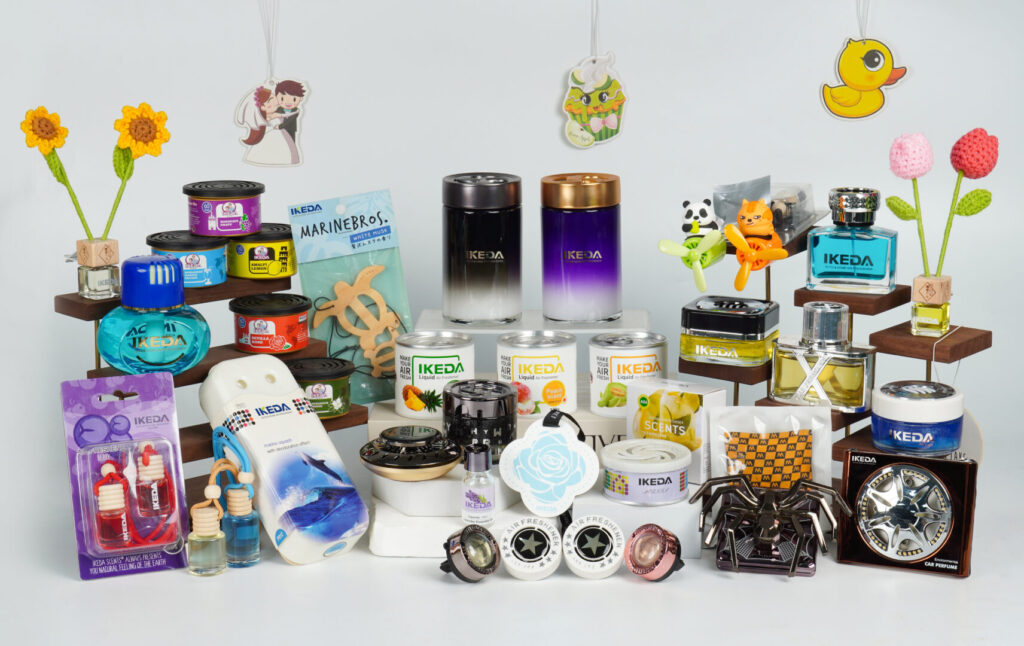
From a manufacturing perspective, not all car air freshener formats are equally suitable for OEM projects. Based on market demand and production feasibility, the most commonly customized categories include:
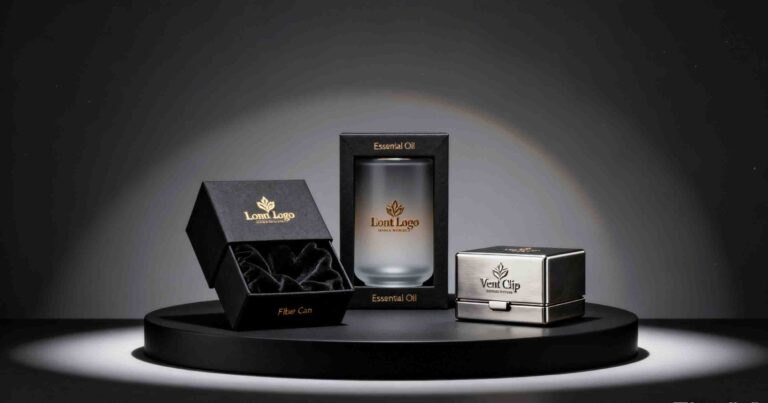
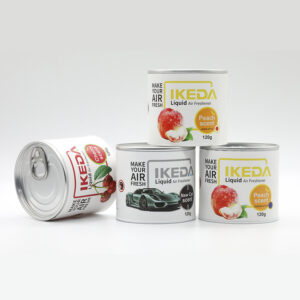
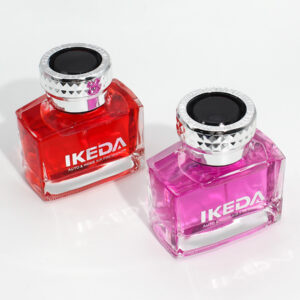
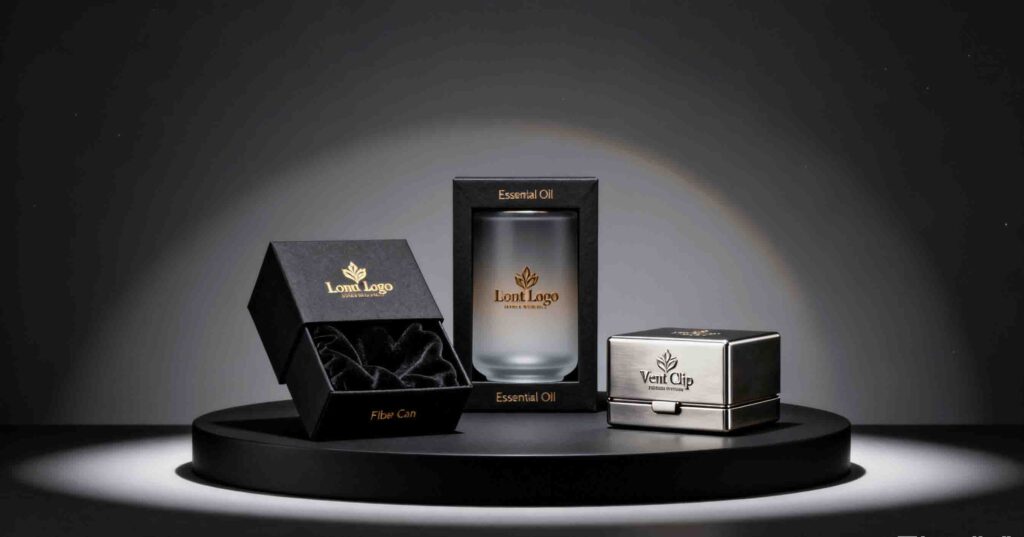
- Liquid-based air fresheners (fiber cans, hanging bottles)
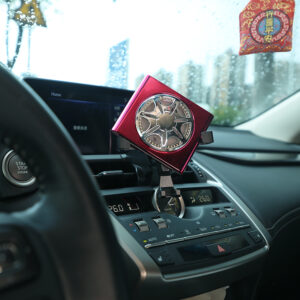
- Vent clip air fresheners
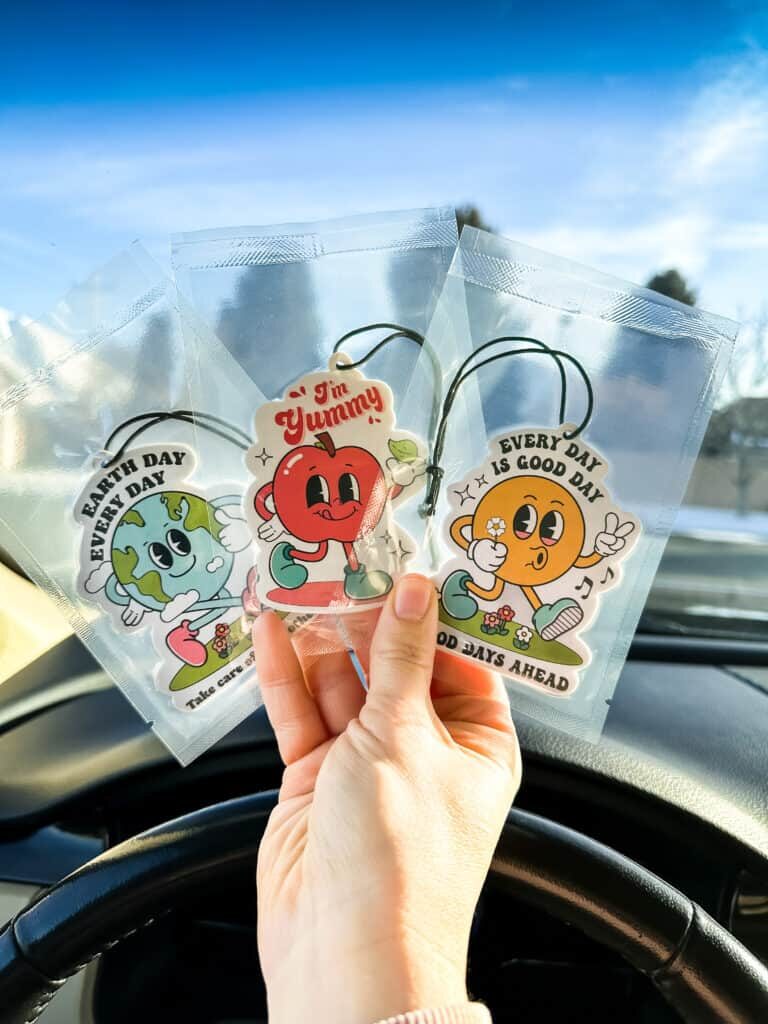
- Paper card air fresheners
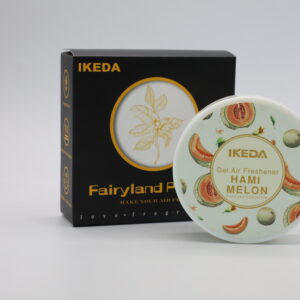
- Gel and solid fragrance products
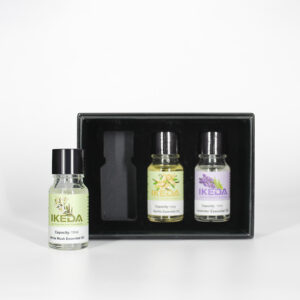
- Essential oil diffusers for vehicles
Each category differs in development complexity, fragrance longevity, and compliance requirements. For example, liquid air fresheners usually require more stability testing, especially for hot climates, while paper cards are faster to scale with lower entry costs.
Experienced manufacturers help buyers choose formats based on sales channels, target price points, and regulatory environments.
MOQ Expectations: What Is Reasonable and What Is Not?
MOQ is one of the first questions importers ask—and for good reason.
In real manufacturing scenarios:
- Stock designs with private labeling may start from 1,000–3,000 units
- OEM fragrance customization typically requires 5,000–10,000 units
- New molds or unique product structures usually demand higher volumes to offset tooling costs
Buyers should be cautious of factories offering unrealistically low MOQs for highly customized products. In many cases, this leads to inconsistent quality, unstable supply, or hidden cost increases later.
A professional manufacturer will clearly explain MOQ logic, cost breakdowns, and scale-up options as your order volume grows.
Fragrance Development: Where Most OEM Projects Succeed or Fail
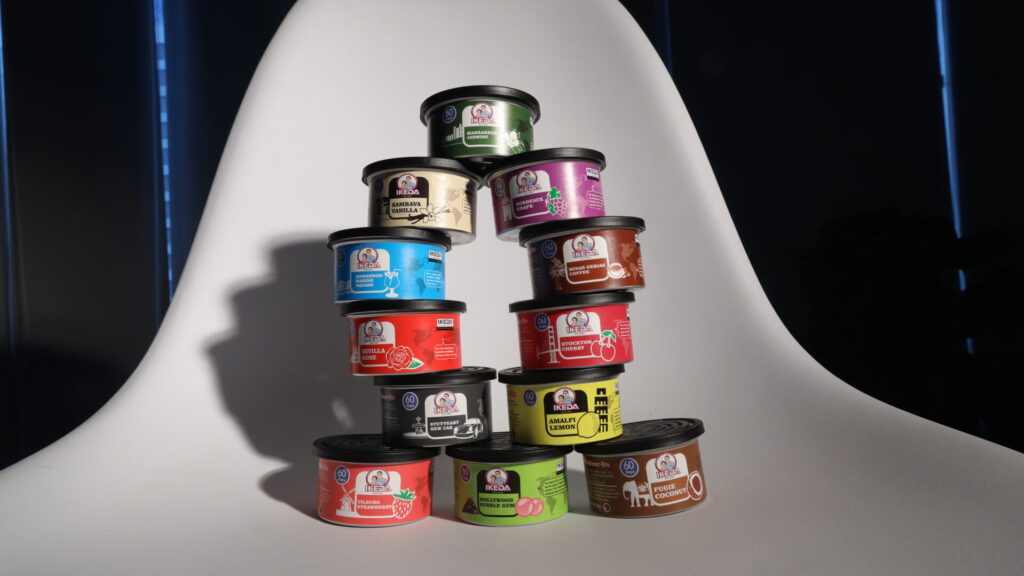
Fragrance is the core value of any car air freshener—but also the most underestimated part of OEM development.
From our experience, common issues include:
- Scents that smell good initially but fade too quickly
- Fragrance formulas that react poorly in high-temperature shipping conditions
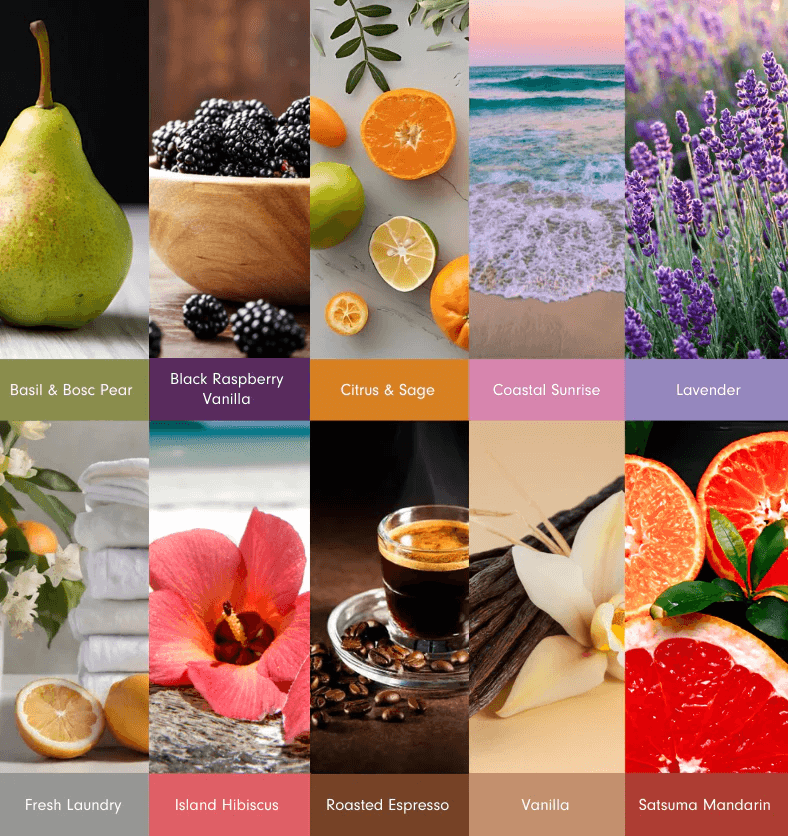
- Mismatch between local consumer preferences and selected scent profiles
Reliable manufacturers conduct fragrance stability testing, heat resistance evaluation, and market-oriented scent selection before mass production.
For buyers targeting multiple regions, manufacturers should also advise on fragrance adjustments—for example, stronger profiles for Middle Eastern markets or lighter, natural notes for European consumers.
Compliance and Certifications: Non-Negotiable for Global Markets
Regulatory compliance is not optional, especially for OEM/ODM products sold internationally.
A trustworthy car air freshener manufacturer should proactively provide:
- MSDS documentation
- IFRA compliance certificates
- REACH conformity for European markets
- Additional third-party testing reports if required
Factories that hesitate or delay certification sharing often signal deeper issues in material sourcing or production control.
For importers, confirming compliance early avoids customs delays, product recalls, and reputational damage.

Production Lead Times and Supply Chain Transparency
One of the biggest frustrations buyers face is unclear or shifting delivery schedules.
Under normal conditions, professional manufacturers operate within predictable timelines:
- Sampling & approval: 7–14 days
- Mass production: 25–35 days
- Sea freight: 20–40 days depending on destination
Transparent factories update buyers proactively on production progress and flag potential risks early—rather than waiting until delays occur.
Consistency in delivery is often more valuable than speed.
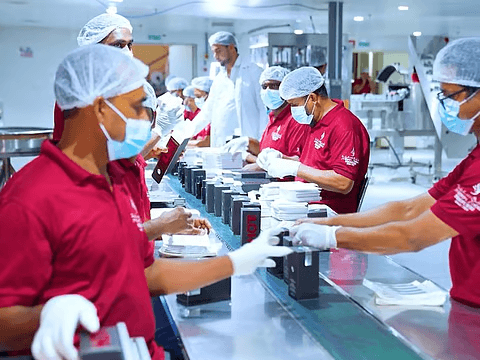
Quality Control: What Happens Behind the Factory Doors
Quality assurance is not a single inspection—it is a system.
In reliable OEM/ODM operations, quality control typically includes:
- Incoming raw material inspection
- Batch fragrance consistency checks
- Leakage and packaging integrity testing
- Pre-shipment inspections
- Optional third-party audits
Buyers should feel comfortable requesting production samples from actual bulk runs, not just pre-production prototypes.
OEM/ODM Is a Partnership, Not a Transaction
Successful OEM projects are built on collaboration. Manufacturers should function as production partners—not just order processors.
This includes:
- Advising on packaging optimization for shipping efficiency
- Suggesting fragrance alternatives when supply risks arise
- Supporting brand growth through scalable production planning
Long-term cooperation often leads to better pricing, priority scheduling, and more flexible customization options.
Common Mistakes Buyers Make When Choosing OEM Manufacturers
From years of experience, the most frequent mistakes include:
- Choosing suppliers based solely on price
- Ignoring fragrance stability testing
- Underestimating compliance requirements
- Not clarifying MOQ and scale-up terms early
Avoiding these pitfalls can save months of delays and thousands in unnecessary costs.
Conclusion: What You Should Expect from a Reliable OEM/ODM Manufacturer
A professional car air freshener manufacturer offers more than production capacity. They provide market insight, technical expertise, compliance assurance, and operational reliability.
If you are sourcing OEM/ODM car air fresheners for long-term growth rather than short-term savings, choose a partner who understands your market, communicates transparently, and supports scalability.
If you are evaluating manufacturing partners or planning a private-label project, our team is ready to review your requirements and provide practical production guidance based on real-world experience. Welcome to join us in our collaboration.