Introduction: Why Scent Design Determines Market Success
In the global automotive fragrance market, scent design and development is not a decorative step—it is a strategic manufacturing decision. For brands, importers, and wholesalers sourcing OEM or private label car air fresheners, fragrance performance directly influences customer satisfaction, repeat orders, and long-term brand positioning.
Inside a professional car air freshener factory, scent development involves far more than selecting a pleasant aroma. It requires an understanding of chemistry, climate behavior, material compatibility, regulatory compliance, and large-scale production stability. Manufacturers with real experience know that even small formulation differences can lead to major performance gaps once products reach the market.
As a China-based manufacturer working with international clients across Europe, North America, Southeast Asia, and the Middle East, we have seen how well-designed fragrances create strong market feedback—and how poorly adapted scents can quickly damage distributor confidence.
This article offers an inside look at how scent design and development actually works in car air freshener manufacturing, from initial concept to mass production.

Step 1: Market & Climate Analysis Before Fragrance Creation
Successful scent development always starts with market understanding, not fragrance preference alone, custom scent development.
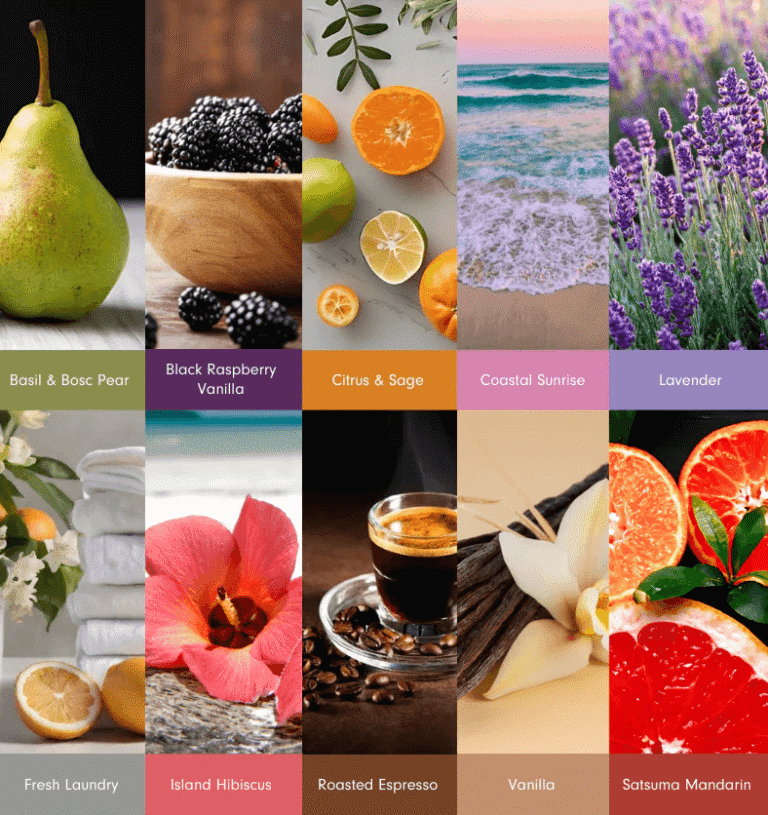
Different regions respond very differently to scent profiles:
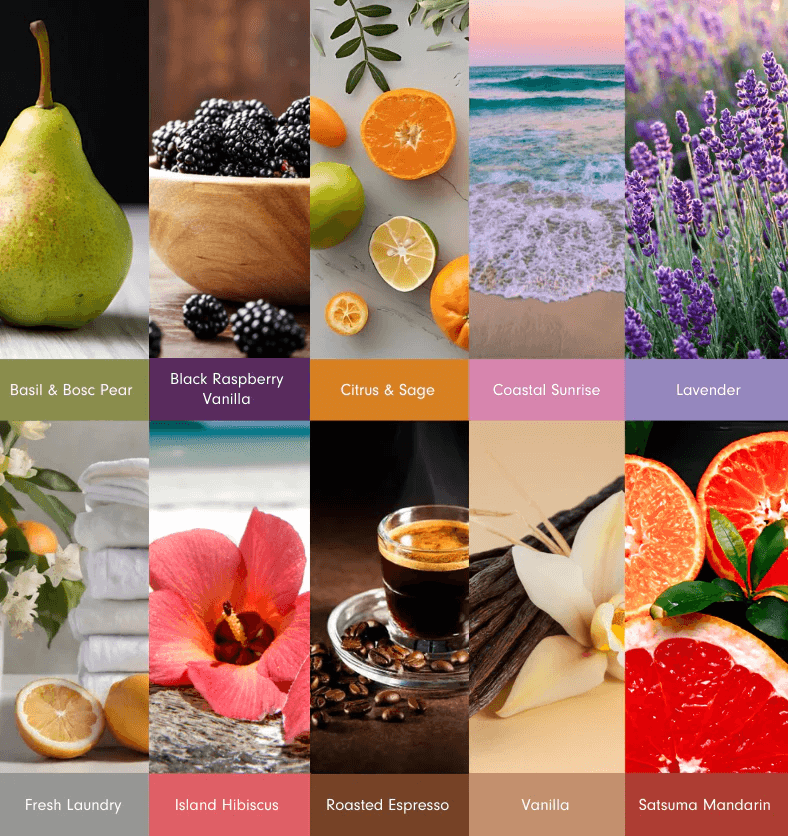
- Europe: clean, subtle fragrances such as linen, citrus, and light woods
- North America: stronger, long-lasting profiles like vanilla, leather, and cherry
- Middle East: rich, high-intensity scents including oud, amber, and musk
- Southeast Asia: fresh, fruity, and cooling aromas
Climate plays an equally important role. In high-temperature regions, evaporation rates can increase by 20–30%, which significantly impacts scent longevity if formulations are not properly adjusted.
From a manufacturing perspective, this is why a “one-scent-fits-all” approach rarely works for OEM or private label projects.
Step 2: Translating Brand Concepts Into a Scent Brief
Before any blending begins, manufacturers create a technical scent brief.
This brief defines:
- Target scent family and emotional positioning
- Desired intensity and diffusion speed
- Expected fragrance lifespan
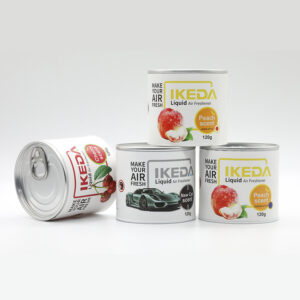
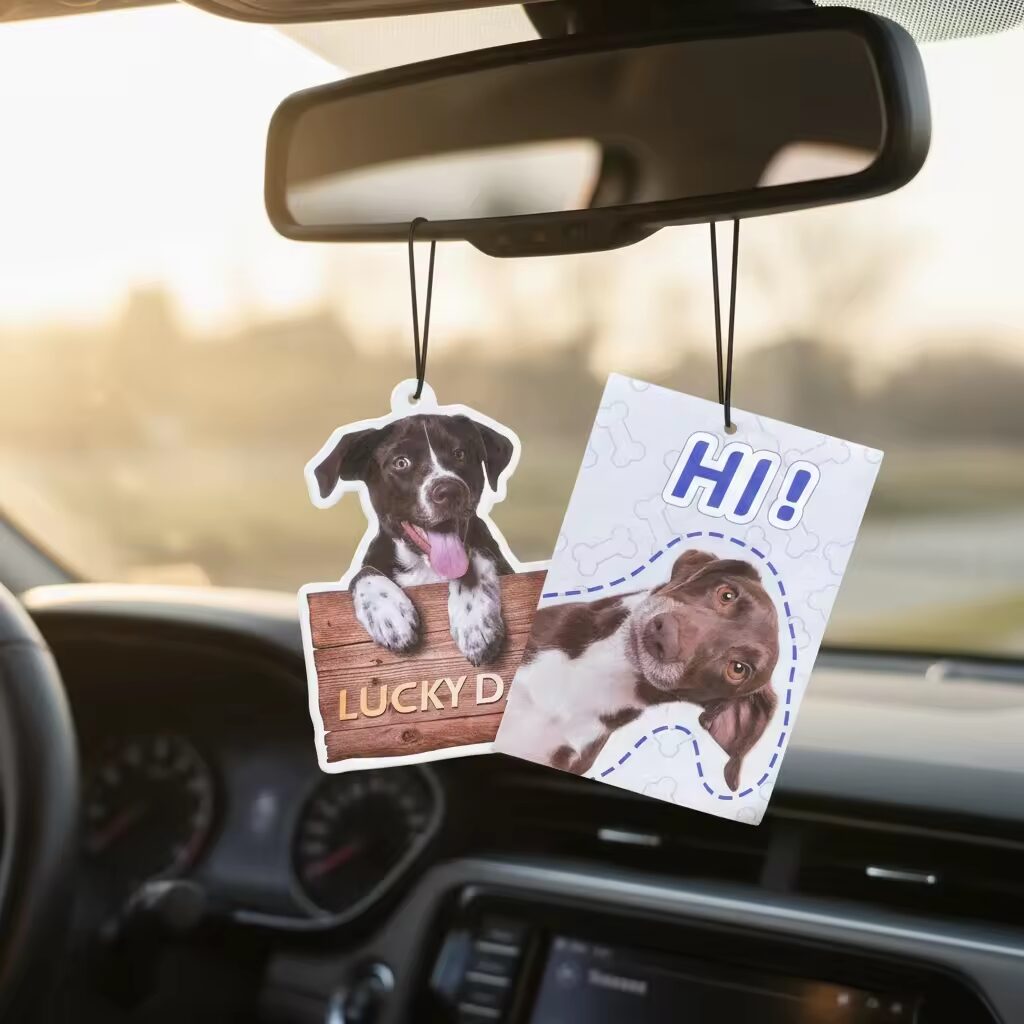
- Product format (paper card, vent clip, fiber can, gel, diffuser)
- Compliance requirements for destination markets
For B2B buyers, this step ensures that brand expectations are translated into measurable production parameters. Abstract ideas like “premium,” “sporty,” or “eco-friendly” must be converted into technically achievable fragrance structures.
Clear briefs reduce revision cycles and shorten time to market.
Step 3: Fragrance Formulation Inside the Factory
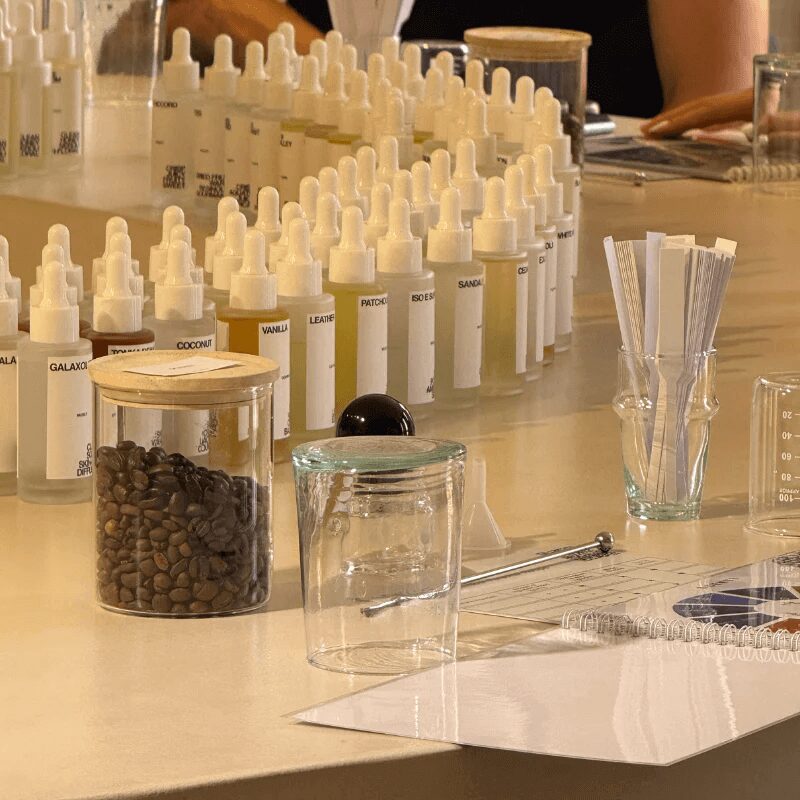
Fragrance formulation is where manufacturing experience matters most.
Long-lasting Car air fresheners operate in challenging conditions:
- High interior temperatures
- Direct sunlight exposure
- Enclosed environments
To perform reliably, formulations must balance:
- Immediate scent impact
- Controlled evaporation curves
- Long-term stability
- Safety for extended use
Unlike perfumes or home fragrances, car air freshener formulas must remain stable under heat stress. This is why professional factories work closely with fragrance suppliers and maintain strict formulation records.
For wholesale buyers, consistency matters more than novelty. A scent that changes between batches often leads to returns and lost retail confidence.
Step 4: Matching Scent Formulation to Product Format
Each air freshener format requires a different technical approach.
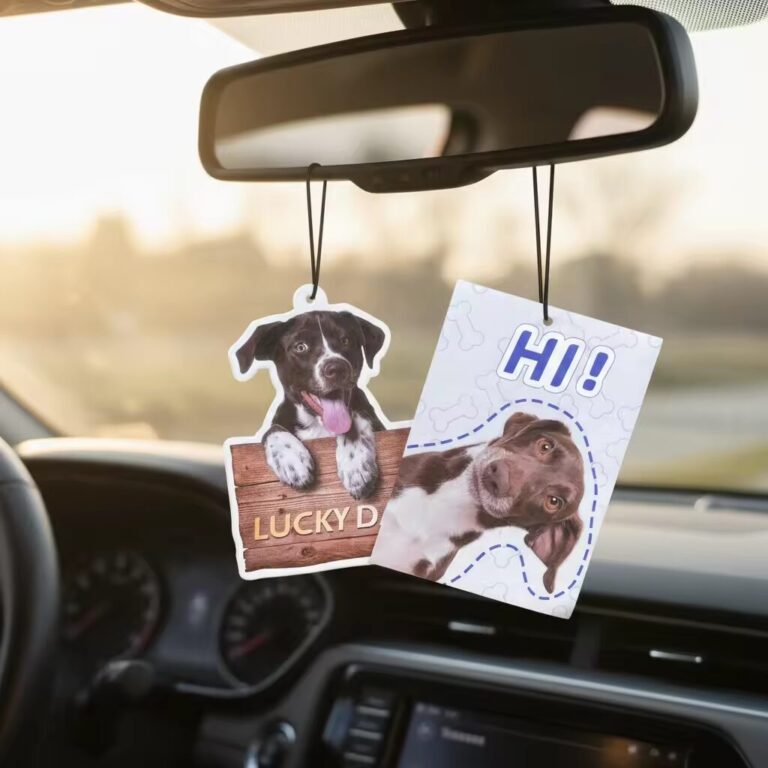
- Paper card air fresheners demand fast but controlled release
- Fiber can air fresheners require steady diffusion over 45–60 days
- Vent clip air fresheners must withstand direct heat from air vents
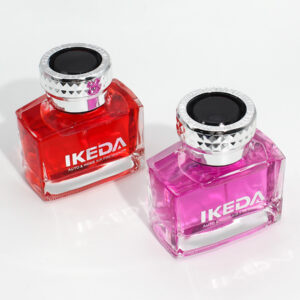
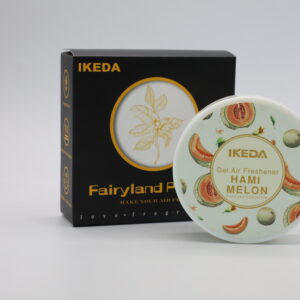
- Gel and liquid diffusers need stable viscosity and leakage resistance
A fragrance that performs well in one format may fail completely in another without reformulation. Experienced manufacturers adjust concentration levels, carriers, and fixatives accordingly.
This adaptation phase is one of the most common challenges for first-time importers.

Step 5: Sampling, Evaluation & Iteration
Once the initial formulation is complete, factories produce pre-production samples, OEM car air freshener manufacturing.
Typical sampling stages include:
- Initial prototype
- Client evaluation
- Adjustments to intensity or balance
- Final approval sample
Professional manufacturers maintain reference samples and formulation archives to ensure future consistency. This becomes critical for private label brands that rely on long-term repeat orders.
Step 6: Performance & Aging Tests
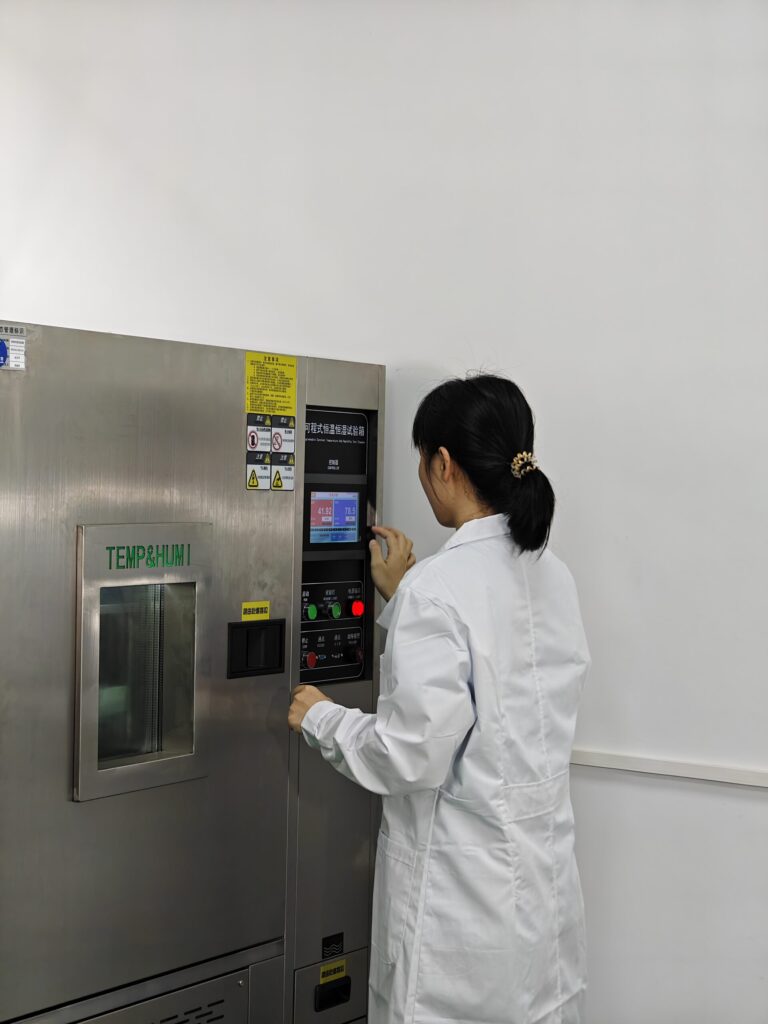
Before mass production, fragrances undergo simulated real-world testing.
These tests may include:
- High-temperature exposure
- Evaporation curve analysis
- Packaging compatibility checks
- Accelerated aging simulations
Testing helps ensure that fragrance claims made to distributors and retailers can be consistently met across logistics and storage conditions.
For B2B buyers, early testing reduces post-launch risk.
Step 7: Compliance & Safety in Global Markets
International compliance is non-negotiable.
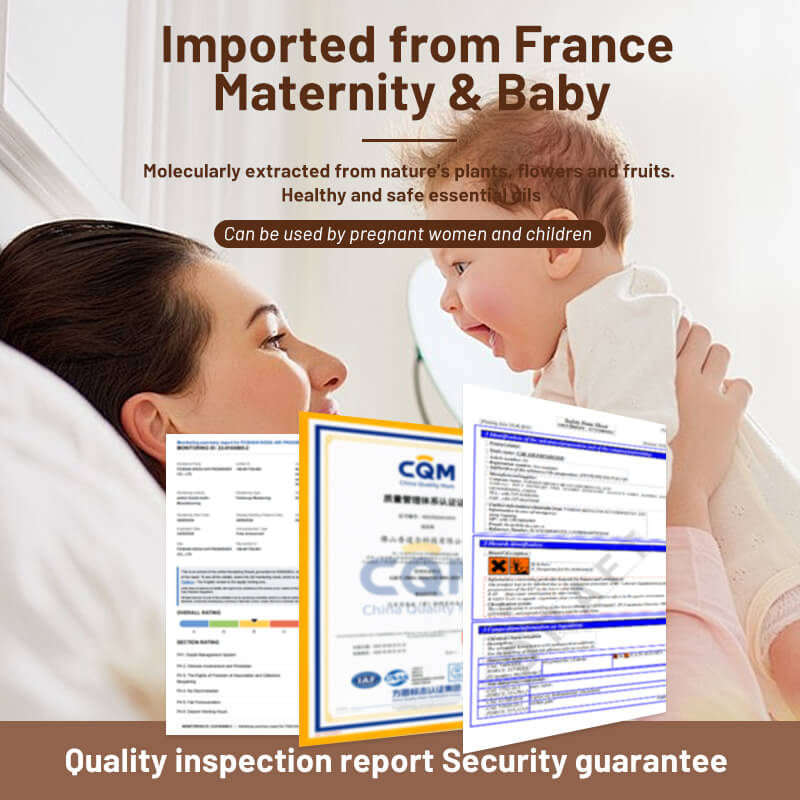
Professional car air freshener factories ensure:
- IFRA-compliant fragrance formulations
- MSDS documentation
- REACH compliance for EU markets
- VOC considerations for regulated regions
Manufacturers monitor regulatory updates and adjust formulations proactively. This protects importers from customs delays, compliance disputes, global air freshener market and costly rework.
Step 8: Scaling Fragrance Production Consistently
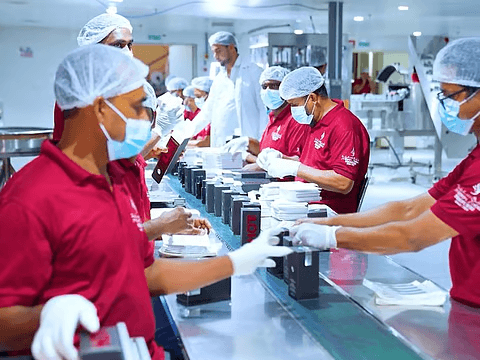
Scaling fragrance production introduces challenges that do not appear at sample level.
Manufacturers must control:
- Raw material sourcing consistency
- Batch-to-batch fragrance accuracy
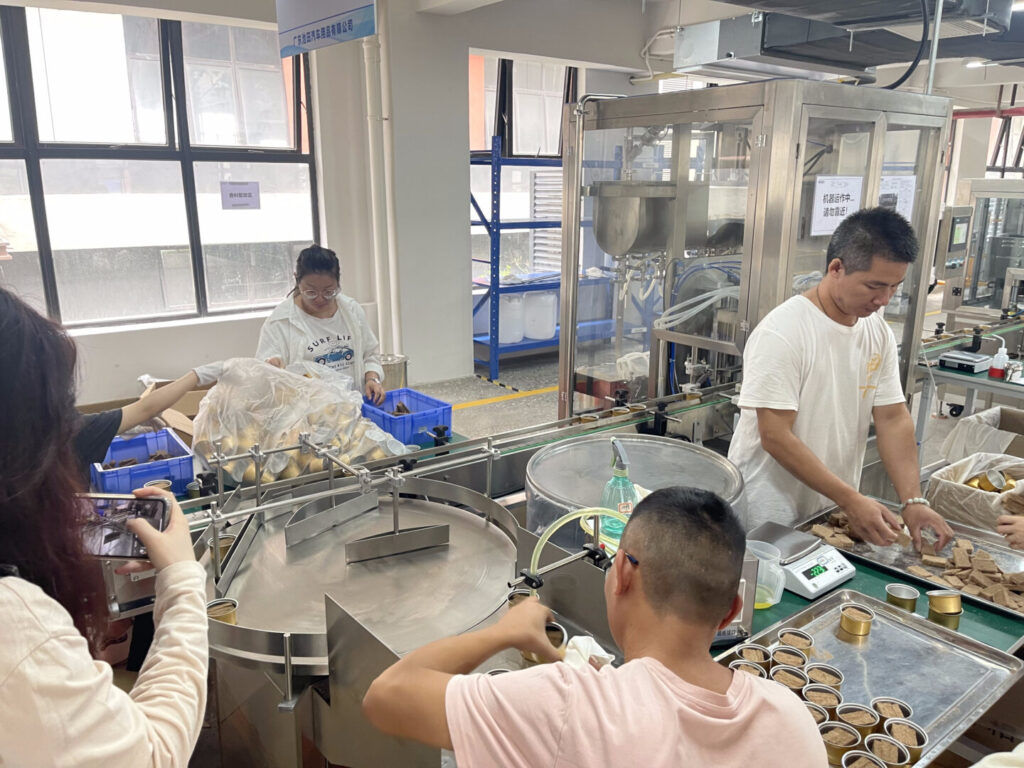
- Mixing and filling precision
- Quality control checkpoints
In mass production, small deviations can significantly alter scent perception. This is why established factories invest heavily in process documentation and quality assurance systems.
Step 9: Innovation Trends in Scent Development
Modern scent development is evolving in response to market demand.
Current B2B-driven trends include:
- Reduced-VOC and low-irritation formulations
- Natural or plant-derived aroma components
- Gender-neutral and minimalist scent profiles
- Sustainability-focused fragrance systems
Factories with dedicated R&D capabilities are better positioned to support these trends and adapt fragrance formulation science without sacrificing performance.
Conclusion: Scent Development as a Manufacturing Capability
Inside a professional car air freshener factory, scent design is not a creative afterthought—it is a core manufacturing capability. From market analysis and formulation to testing, compliance, and scaling, fragrance development determines whether a product succeeds in international markets.
For brands and resellers sourcing OEM or private label car air fresheners, understanding this process helps reduce risk, improve communication with manufacturers, and achieve more consistent market results.
At IKEDA, we approach scent development as a long-term partnership process rather than a one-time formulation task. With years of experience in OEM and private label car air freshener manufacturing, our team supports global clients by aligning fragrance performance, compliance, and production stability from the very beginning.
If you are evaluating a new scent project or refining an existing product line, early technical discussion with an experienced manufacturer of contacting IKEDA can make a meaningful difference in outcomes.