Introduction — Why Start a Car Air Freshener Brand in 2026
The car air freshener market continues to grow in 2026 due to rising demand from automotive accessory retailers, supermarkets, car wash chains, and e‑commerce sellers. Private label and OEM brands can profit by offering custom fragrances, packaging and scalable wholesale solutions to global markets.
What Is a Private Label Car Air Freshener?
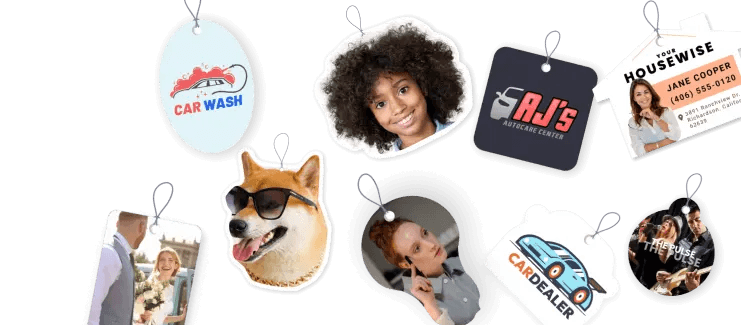
A private label car air freshener is a fragrance product manufactured by an OEM supplier and sold under your own brand name. Private label solutions allow businesses to launch customized car fragrance products without investing in manufacturing facilities.
Private label programs typically include fragrance customization, logo printing, packaging design, and retail-ready branding solutions.
For B2B buyers, working with an experienced car air freshener manufacturer can significantly reduce product development time and ensure consistent quality.
How to Start an Air Freshener Business
Starting an air freshener business involves selecting a product category, identifying a target market, developing branding, and partnering with a reliable OEM manufacturer. Many entrepreneurs begin with private label car air fresheners due to their low startup costs and strong market demand.
1. Understand the Market Demand
Before launching a new brand, it is essential to evaluate demand structure and identify which product car air freshener types are most suitable for your target market.
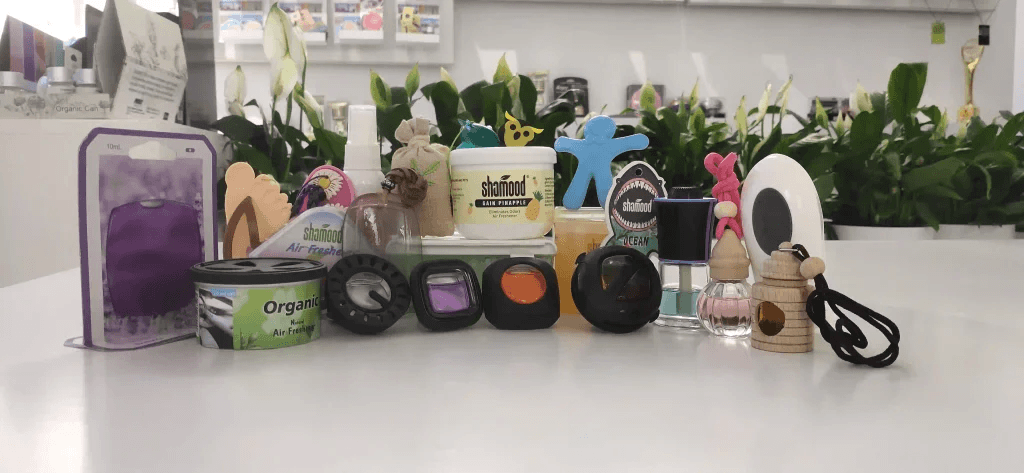
Popular product formats include:
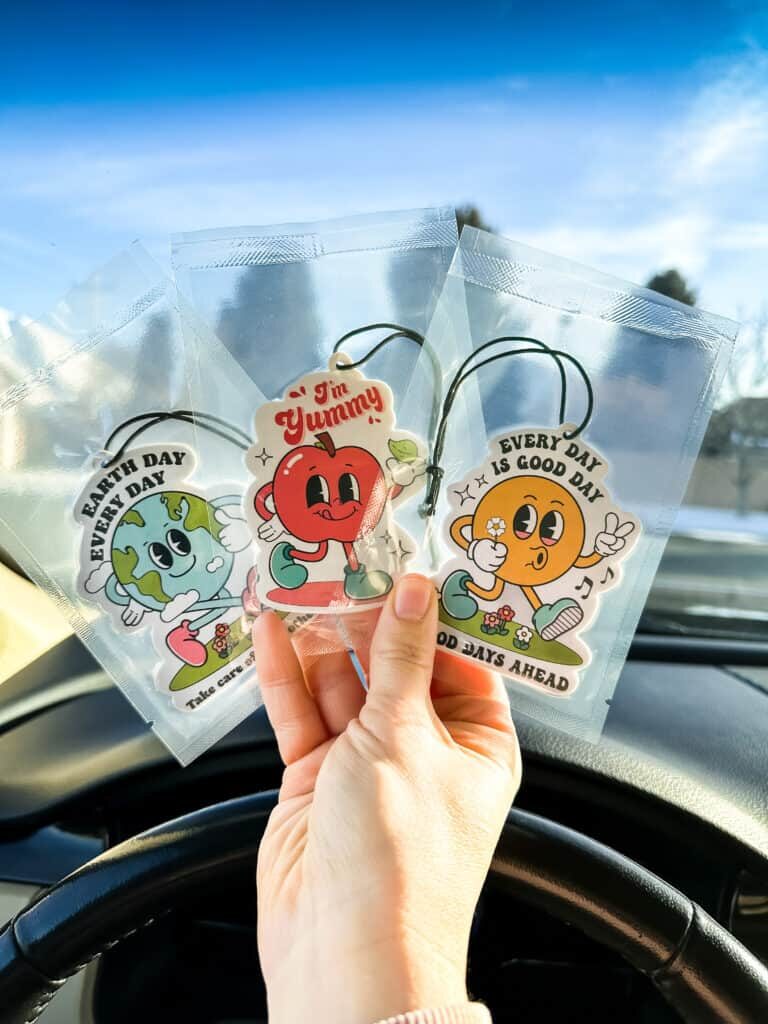
- hanging paper car air fresheners
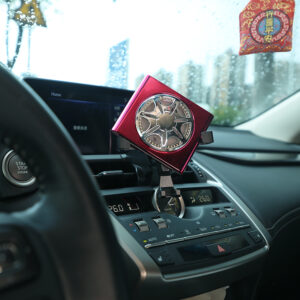
- vent clip air fresheners
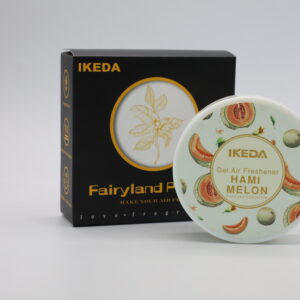
- gel car air fresheners
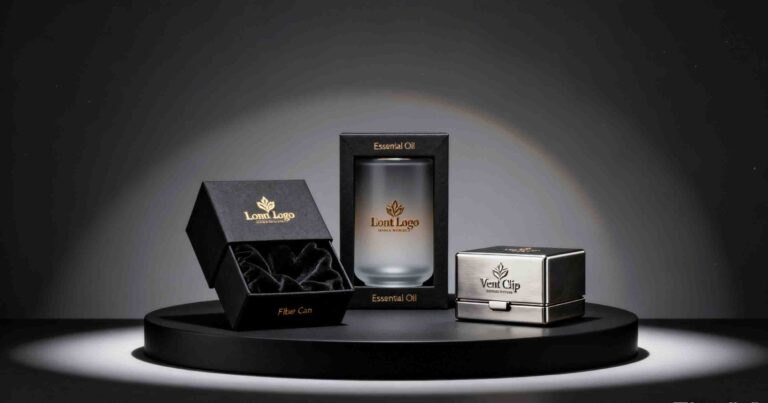
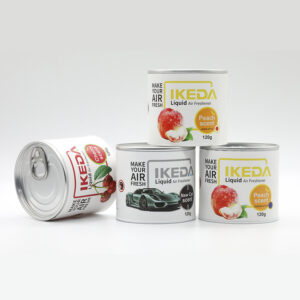
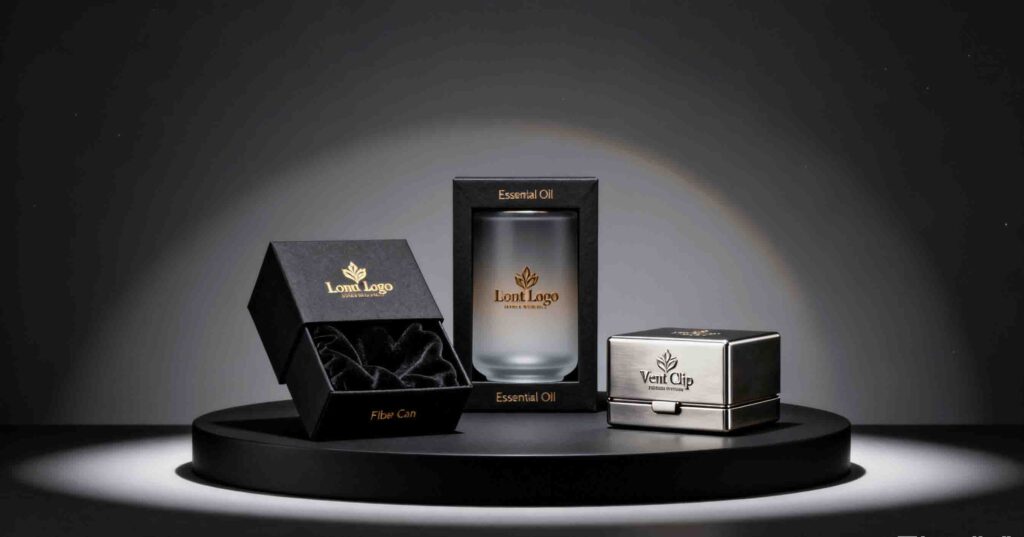
- fiber can fragrances
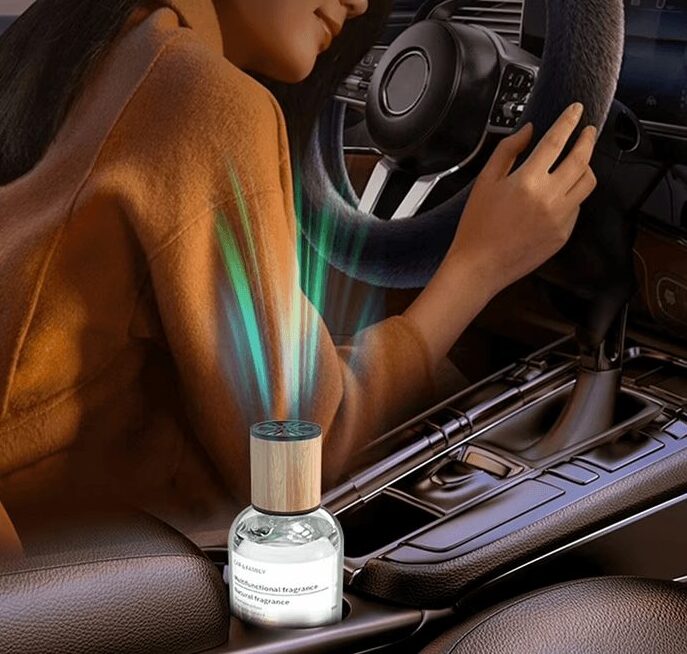
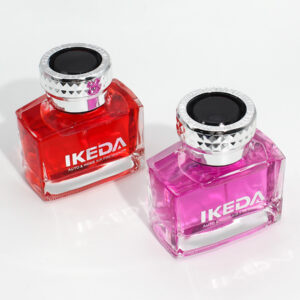
- liquid diffuser bottles
Each format serves different price segments and distribution channels. The Middle East automotive fragrance market favors rich and long‑lasting scents such as Oud, Amber, and Musk. In Europe & North America, eco‑friendly and essential‑oil based products are trending due to consumer preferences for sustainable products.
For example:
paper air fresheners are widely used for promotional campaigns
vent clips are popular in mid-range retail stores
fiber cans are often positioned as premium fragrance products
Understanding these differences helps define product strategy early.
2. Define Your Brand Positioning
Clear brand positioning helps improve recognition and customer loyalty.
Questions to consider:
Who is your target buyer?
- retail chains
- car wash operators
- online marketplaces
- automotive distributors
- promotional product suppliers
What price segment are you targeting?
- budget friendly
- mid-range daily fragrance
- premium scent experience
Brand positioning influences:
fragrance selection
packaging style
logo design
product structure
Many successful brands focus on one clear concept before expanding their product range.
Private Label vs White Label Car Air Fresheners
| Feature | Private Label | White Label |
|---|---|---|
| Brand Logo | Custom | Generic |
| Packaging | Custom | Standard |
| Fragrance | Customizable | Limited |
| MOQ | Medium | Low |
| Brand Identity | Strong | Limited |
Private label products offer greater branding flexibility, while white label products are usually pre-made products sold under different brand names with limited customization options.
3. Select the Right Product Formats
New brands often perform better when starting with a focused product range instead of too many SKUs.
Recommended initial structure for private label car air freshener:
2–4 product types
5–8 fragrance options
This approach allows easier inventory management and clearer marketing communication.
Common combinations:
paper hanging + vent clip
fiber can + gel fragrance
vent clip + liquid diffuser
4. Develop Best-Selling Fragrance Profiles
Fragrance performance directly affects customer satisfaction and repurchase rates.
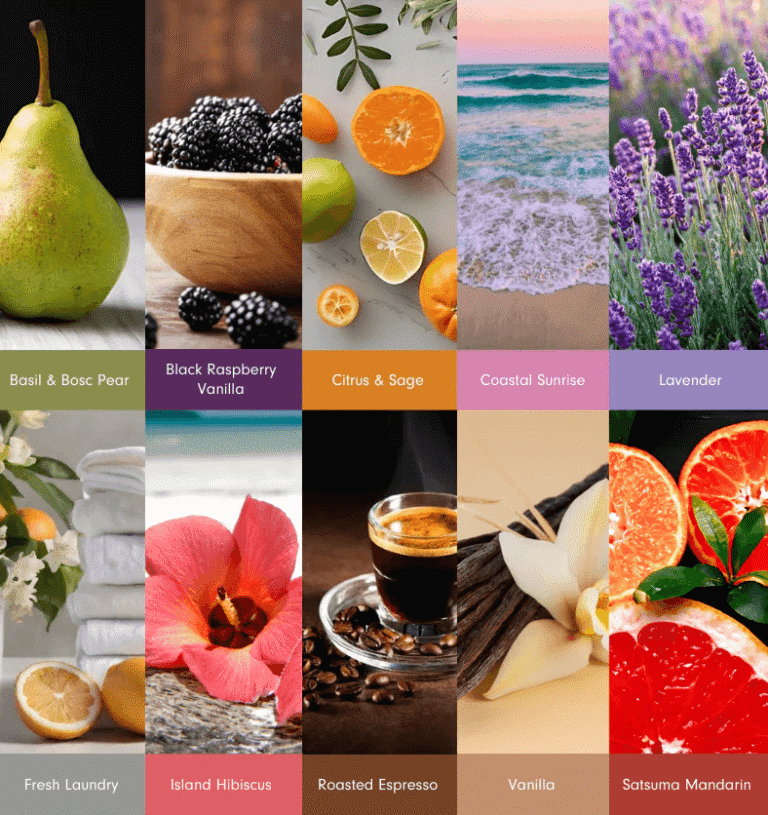
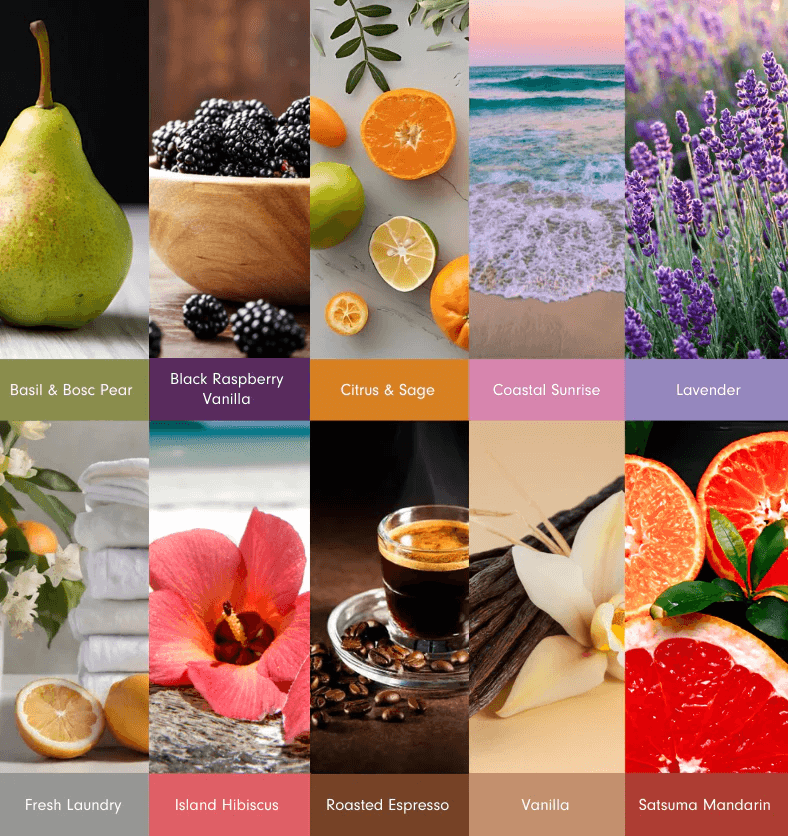
Common popular fragrance families:
- citrus
- floral
- fresh
- woody
- fruity
- oceanic
Examples of globally accepted scents:
lemon
lavender
new car
ocean breeze
vanilla
jasmine
sandalwood
fresh linen
Professional manufacturers usually adjust fragrance concentration and evaporation rate to balance intensity and longevity.
Organizations such as International Fragrance Association provide commonly referenced safety guidelines for fragrance ingredients.
Choosing well-tested scent profiles reduces development risks.
5. How Car Air Freshener Manufacturing Works
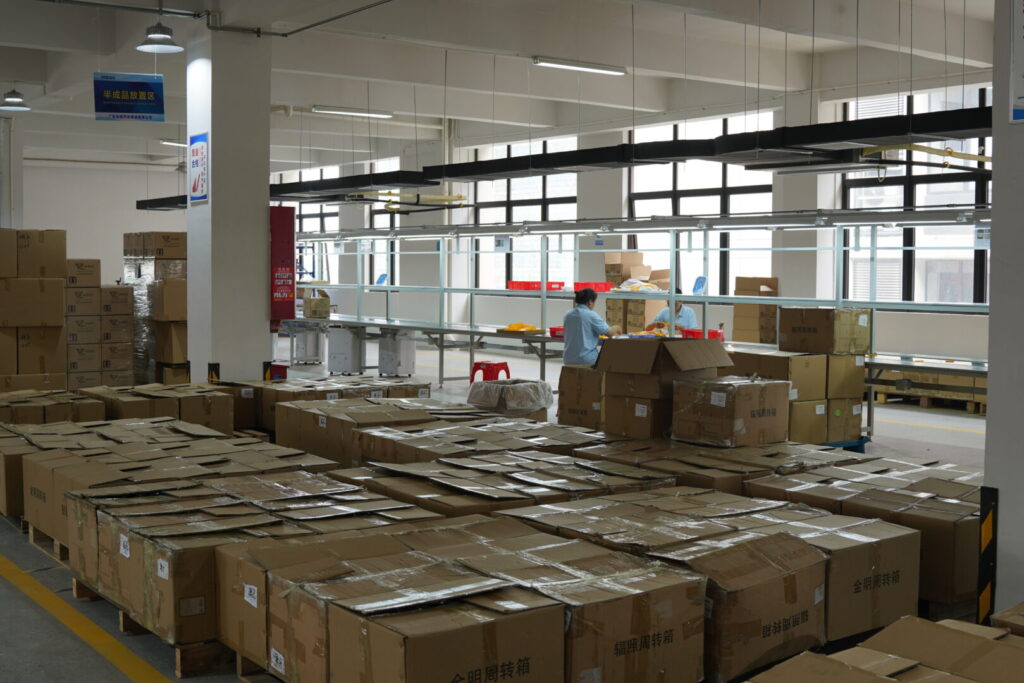
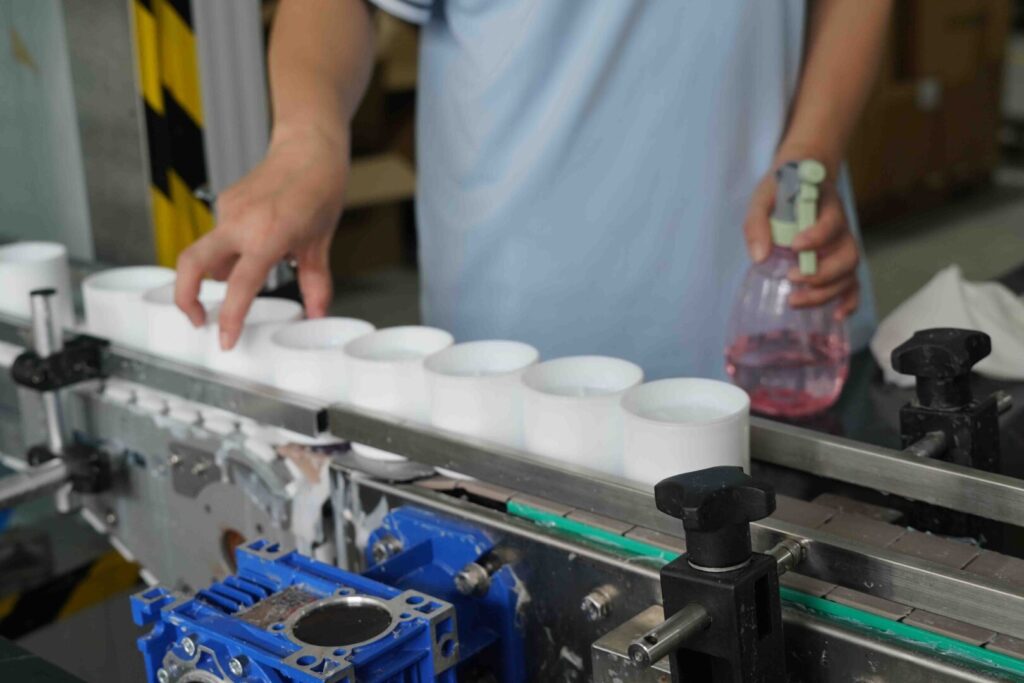
The manufacturing process typically includes fragrance formulation, material production, product assembly, packaging customization, quality inspection, and export preparation.
A reliable manufacturer plays an important role in ensuring stable quality and efficient product development.
Fragrance Development
↓
Sample Approval
↓
Mass Production
↓
Packaging
↓
Quality Inspection
↓
Shipping
Many car fragrance manufacturers offer MOQ starting from 1000–3000 units depending on packaging structure.
6. Regulations and Requirements for Selling Car Air Fresheners
Businesses selling car air fresheners should ensure compliance with local regulations, fragrance safety standards, labeling requirements, and transportation regulations for fragrance products.
- IFRA Compliance
- MSDS Documents
- Product Labeling
- Import Regulations
Understanding development timelines helps manage launch expectations.
Typical process:
Week 1–2
confirm fragrance direction
Week 2–3
sample production
Week 3–4
packaging adjustment
Week 4–6
final sample approval
Week 6–8
mass production
Projects involving complex packaging may require longer preparation time.
Planning realistic timelines helps avoid delays in product launch schedules.
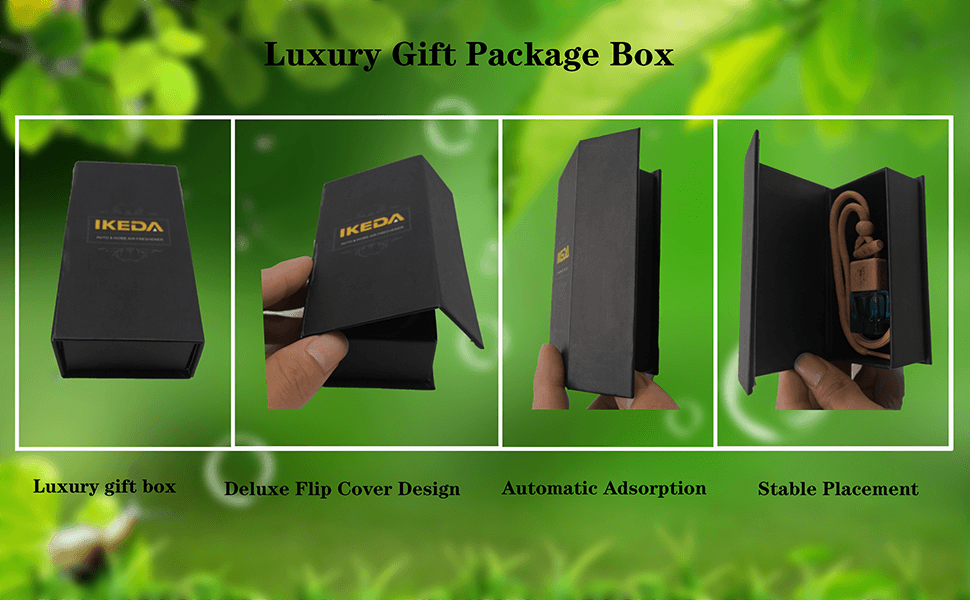
7. Packaging Design Considerations
Packaging strongly influences purchasing decisions, especially for online sales.
Effective packaging communicates:
fragrance identity
brand personality
product value
Examples:
minimalist packaging for modern brands
natural color themes for botanical scents
metal container design for premium positioning
Clear labeling should include:
fragrance name
usage instructions
duration information
safety information
Professional packaging design improves brand credibility.
8. Compliance and Export Requirements
Different markets may require specific documentation related to chemical safety and labeling standards.
Organizations such as European Chemicals Agency publish guidance on chemical substance regulations in European markets.
Compliance considerations may include:
ingredient disclosure requirements
packaging labeling regulations
transport documentation
safety data sheets
Working with export-experienced suppliers helps reduce compliance risks.
9. Common Mistakes When Starting a Car Air Freshener Brand
Many new brands encounter similar challenges during product development.
Common issues include:
selecting too many fragrances initially
choosing packaging that increases shipping cost
focusing only on low price
ignoring fragrance longevity performance
lack of clear brand positioning
Starting with a focused product range often leads to more stable growth.
10. How to Choose a Reliable Car Air Freshener Manufacturer
Quality Control System
Production Capacity
OEM Experience
Fragrance Development Capability
MOQ Flexibility
Export Experience
For B2B buyers, working with an experienced supplier can improve product consistency and reduce development time.
A structured approach helps build a competitive product line suitable for long-term brand growth.
11. Frequently Asked Questions
What is a private label car air freshener?
A private label car air freshener is manufactured by a supplier and sold under your own brand name.
What is the difference between private label and white label?
Private label products offer customized branding and packaging, while white label products are typically sold with limited customization.
How much does it cost to start a car air freshener business?
Startup costs vary depending on product type, packaging, and order quantity.
Can I start with a low MOQ?
Many OEM manufacturers offer flexible MOQ options for new brands.
What certifications are needed for car air fresheners?
Requirements vary by market but may include IFRA compliance, safety documentation, and labeling requirements.
Can I sell car air fresheners on Amazon?
Yes. Many private label brands successfully sell customized car fragrances through Amazon and other e-commerce platforms.
IKEDA specializes in the development and manufacturing of air care and household fragrance products, including:
car air fresheners
aroma beads
gel fragrances
laundry scent products
We support OEM and ODM customization with flexible MOQ and stable production capacity for global distributors and brand owners.